Author: Superadmin11

  • Morocco Travel Faqs

    Morocco Travel Faqs

    What about the language?

    Most of the inhabitants of the Atlas region are Berber. They speak Berber and Arabic, and many speak French. Depending on your language we will provide an English, French or Spanish speaking guide. Most of our guides are fluent in several languages.

    Is accommodation in Marrakech included?

    We do not automatically include accommodation in Marrakech as part of the package but we can arrange accommodation – and airport transfers – if you wish. Please let us know if you would like us to do this. We do include transport to and from Marrakech in our itineraries.

    What is the accommodation on the treks?

    Usually in the summer we camp, normally by a stream or river, in tents or bivouac. On many treks we also stay for at least one night in a Berber house (gite) or mountain refuge.

    Can we change the itinerary?

    Yes, the duration and routes of the treks can usually be changed to suit your needs. For some treks variations are already indicated. This should be specified and agreed in advance although every effort will be made to accommodate this en route. Some changes may be necessary due to prevailing weather conditions and it remains the prerogative of the guide to vary the itinerary in the interest of safety.

    How do we book and pay?

    Find a trek you are interested in then contact us via our enquiry form to discuss your trek and check availability. Once the details of your trek (duration, route and number of people) have been agreed, we will make a provisional booking, giving the dates and cost.

    To confirm your booking we ask you to pay a deposit. This can be in Euros, pounds sterling or US dollars. Payment is quick, easy and secure through PayPal and is made by credit or debit card. For more information about PayPal click here. The balance is paid in Morocco – again in Euros, sterling or dollars – at the beginning of the trek.

    When are the treks?

    Most treks take place from late March until October, when there is less risk of passes being blocked by snow. But it is possible with the right equipment to trek throughout the year. Please contact us for details of winter treks and the equipment required. The exceptions are trekking in Jebel Sahro and Amezmiz which is all year round and for which no special equipment is required.

    What is the weather like?

    The best time of year for trekking is from around May to early November. In May and November it can still be very cold at night – below freezing – and there is the possibility of snowfalls which can result in a change of route. Usually by the end of May the snow has gone and even the summit of Toubkal is free of snow. In the height of summer it can be very hot – up to 40°C – during the day but the nights are still cold. Although the climate is generally dry and sunny, heavy storms can occur at any time.

    Is there a maximum or minimum number?

    No, except for treks to the Saghro and Sirwa regions where we require a minimum number of 5. For other treks a good number is between 4 and 6. But we cater for sole travellers and large groups.

    What about altitude sickness?

    Anyone, even the fittest, can be affected by altitude sickness above about 2700m. The symptoms are shortness of breath, headaches, lethargy and possibly diarrhoea and sickness. At 4000 metres (the height of Toubkal) the symptoms are not severe and usually last no longer than 24 hours. In severe cases it can prevent the sufferer continuing with the trek. Most of our treks are designed to mitigate the effects of altitude sickness by gradual ascent and acclimatisation over several days. Most trekkers, however, are fine, but it is a wise precaution to bring with you a supply of headache, re-hydration and anti-diarrhoeal tablets.

  • Interesting Facts About Morocco

    Interesting Facts About Morocco

    Corrected & Clarified Facts about Morocco

    1. Morocco is located in the northwest corner of Africa.
    2. The country’s official name is the Kingdom of Morocco.
    3. Morocco’s population is about 37 million people (not 36 million, updated estimate).
    4. The capital city is Rabat.
    5. The largest city is Casablanca.
    6. The official currency is the Moroccan Dirham (MAD).
    7. Indigenous people are called Amazigh (Berbers).
    8. Moroccans speak Darija (Moroccan Arabic), the Amazigh language, and French is widely used.
    9. Mount Toubkal (4,167 m / 13,671 ft) is the highest peak in Morocco and North Africa.
    10. The University of al‑Qarawiyyin in Fes, founded by Fatima al‑Fihri in 859, is recognized as the world’s oldest existing university.
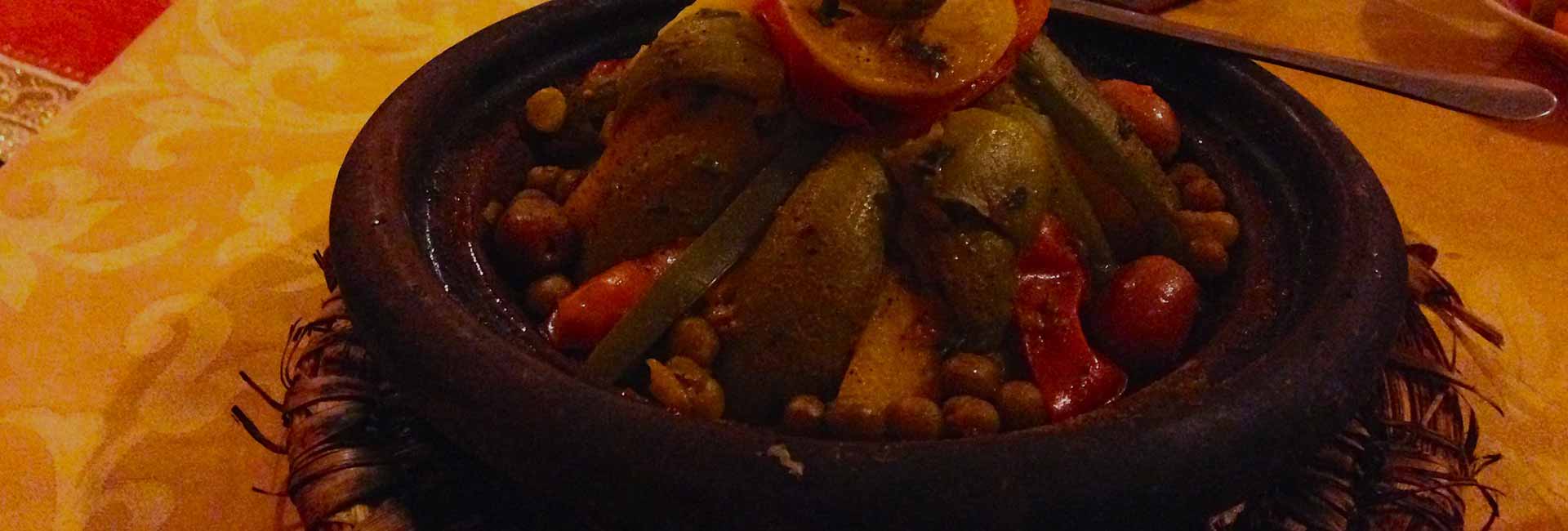
    11. Couscous is Morocco’s national dish, traditionally eaten on Fridays.
    12. The most popular sport is football (soccer).
    13. The official languages are Arabic and Amazigh (Berber).
    14. Morocco celebrates Throne Day on July 30 each year.
    15. Mint tea (green tea with mint and sugar) is the national drink.
    16. Morocco has one of the largest economies in Africa (ranked 5th–6th depending on metrics).
    17. Major exports include citrus fruits, phosphates, textiles, and fish.
    18. The Tarfaya Wind Farm is among Africa’s largest wind farms.
    19. Morocco is a major energy importer, though it is investing heavily in renewables.
    20. Tourism is a key economic sector.
    21. Morocco hosts Ouarzazate film studios, one of the largest in the world.
    22. Marrakech is a top tourist destination.
    23. Agadir, on the Atlantic coast, is a major urban center.
    24. Agadir was destroyed by an earthquake in 1960 and rebuilt.
    25. Souk El Had in Agadir is one of the largest markets, with thousands of stalls.
    26. The Barbary lion is Morocco’s symbolic national animal (though extinct in the wild).
    27. Morocco exports large quantities of dates, though not among the world’s top producers.
    28. In traditional customs, a widow wears white for 40 days after her husband’s death.
    29. Morocco shares borders with Algeria, Western Sahara, and Spain (via Ceuta & Melilla enclaves).
    30. Morocco is the world’s largest exporter of sardines.
    31. The Hassan II Mosque in Casablanca is the world’s 7th largest mosque and has the tallest minaret (210 m).
    32. The traditional Moroccan garment is the djellaba.
    33. Tangier is one of Morocco’s oldest continuously inhabited cities.
    34. Morocco’s highest point is Jebel Toubkal (13,671 ft).
    35. The lowest point is Sebkha Tah, a salt lake depression.

     Additional Noteworthy Facts

    • Morocco was the first country to recognize U.S. independence in 1777.
    • The country is famous for its imperial cities: Marrakech, Fes, Meknes, and Rabat.
    • Morocco produces world‑renowned argan oil, used in cooking and cosmetics.
    • The Blue City of Chefchaouen is one of the most photographed places in Morocco.
    • Morocco’s Medinas (old towns) are UNESCO World Heritage Sites.
  • Best Places To Visit In Morocco

    Best Places To Visit In Morocco

    Cities & Cultural Gems

    • Marrakech – The Red City: A vibrant hub of souks, palaces, and gardens. Famous for Jemaa el-Fnaa square, the Majorelle Garden, and its lively Medina. Marrakech is the perfect gateway into Moroccan culture.
    • Chefchaouen – The Blue City Nestled in the Rif Mountains, this picturesque town is painted in shades of blue. Its tranquil alleys, artisan shops, and mountain backdrop make it one of Morocco’s most photogenic destinations.
    • Tangier, a coastal city at the Strait of Gibraltar, blends European and Moroccan influences. Known for its whitewashed Medina, cultural crossroad atmosphere, and seaside cafés.
    • Fes & Meknes Fes is Morocco’s cultural capital, home to the world’s oldest Medina and traditional tanneries. Meknes, a quieter imperial city, offers historic gates, palaces, and proximity to the Roman ruins of Volubilis.
    • Essaouira is a charming Atlantic port town with UNESCO-listed Medina, windswept beaches, and famous seafood markets. Its relaxed vibe contrasts with Marrakech’s bustle.
    • Asilah is a small coastal town with Portuguese fortifications, whitewashed houses, and a thriving art scene. Known for its annual arts festival and nearby Paradise Beach.

    Desert & Mountain Adventures

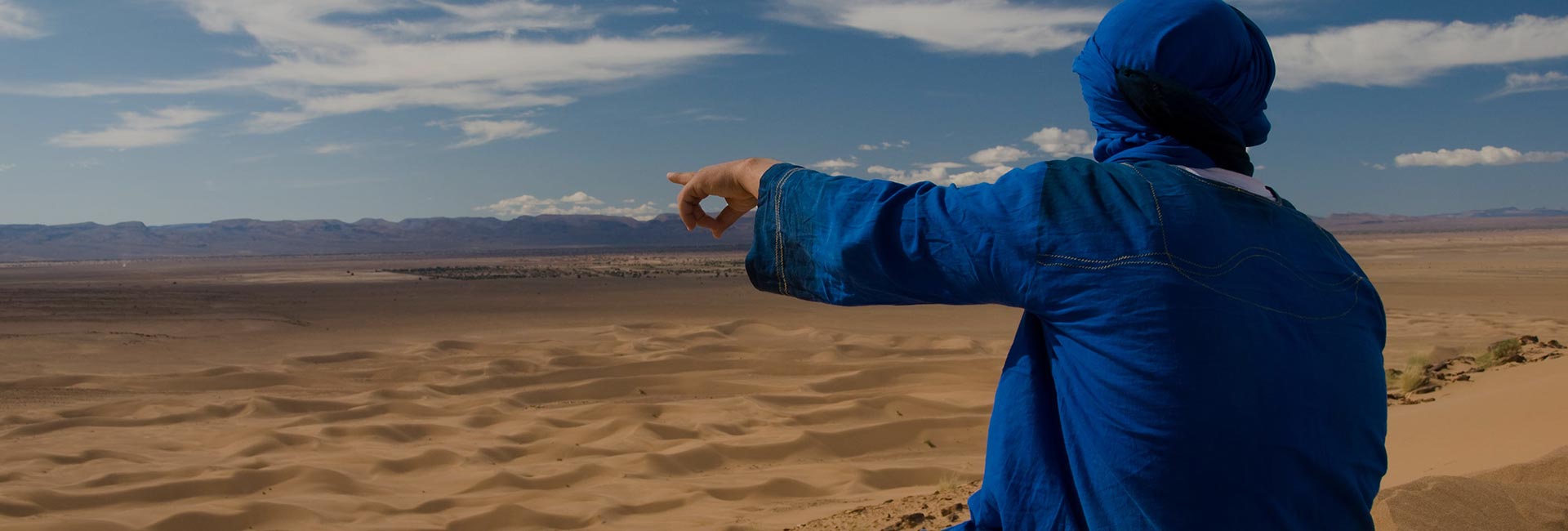
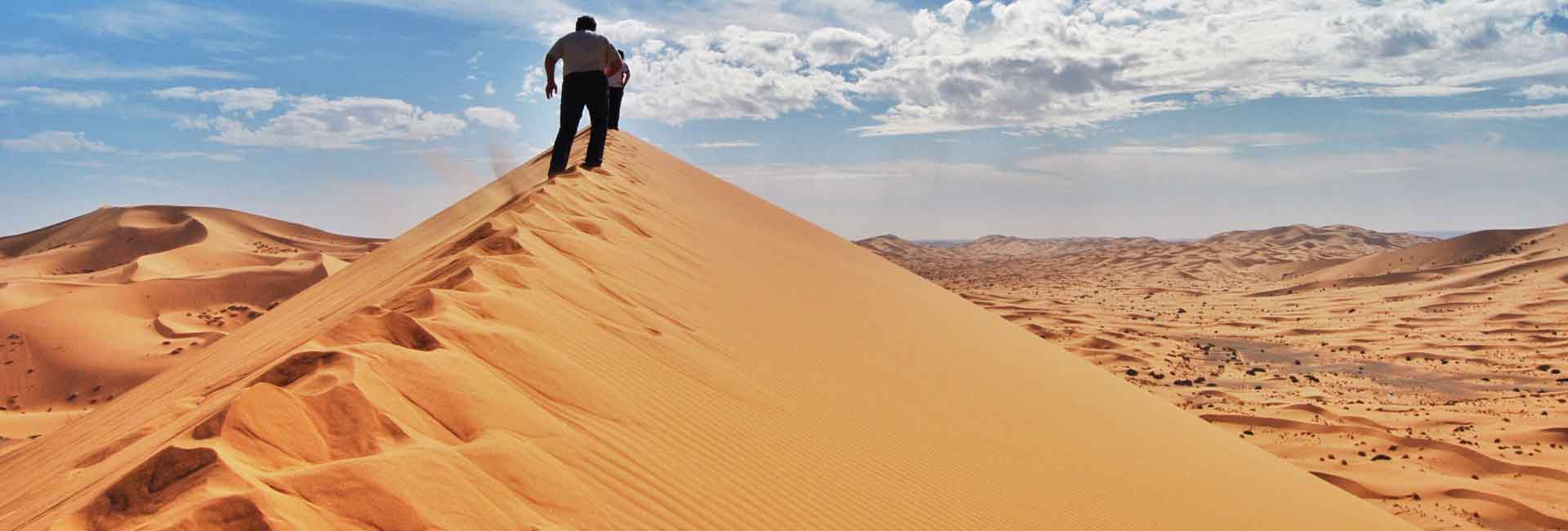
    • Merzouga Desert – Erg Chebbi Dunes The gateway to the Sahara, offering golden dunes, camel treks, and unforgettable stargazing nights.
    • Aït Benhaddou, a UNESCO World Heritage kasbah near Ouarzazate, is famous as a film set for Gladiator and Game of Thrones. Its mud-brick architecture is iconic.
    • High Atlas Mountains: A trekking paradise with Berber villages, dramatic valleys, and snow-capped peaks. The Tizi n’Tichka Pass offers breathtaking drives.
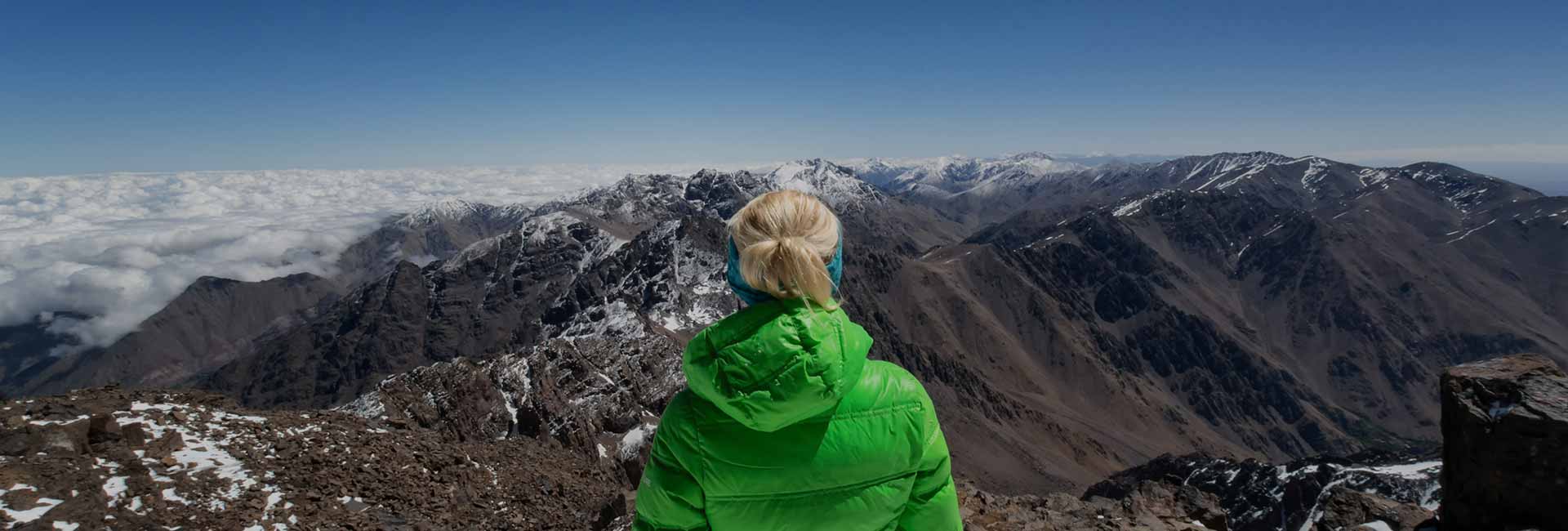
    • Mount Toubkal, the highest peak in North Africa (4,167 m), attracts climbers and trekkers. Multi-day hikes from Imlil lead to stunning alpine scenery.
    • Morocco Gorges (Todra & Dades) Towering canyon walls carved by rivers, perfect for hiking, photography, and exploring Berber villages.

    Natural Escapes

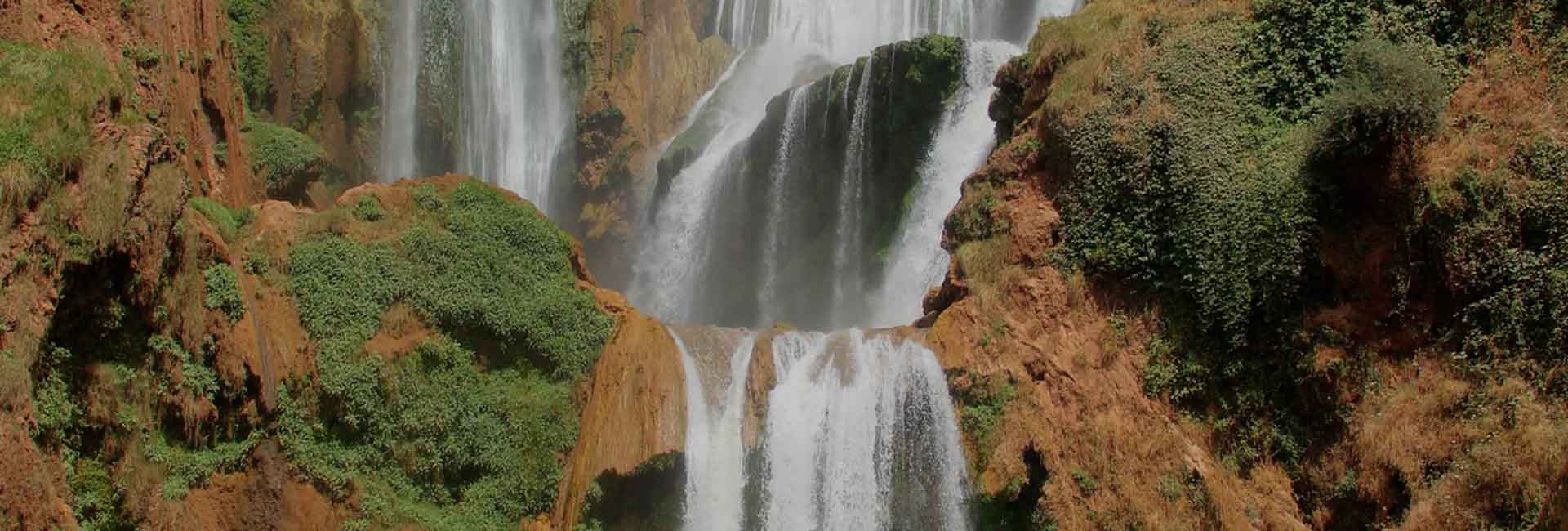
    • Morocco Waterfalls (Ouzoud): The country’s most famous cascades, surrounded by olive groves and Barbary monkeys. A refreshing day trip from Marrakech.
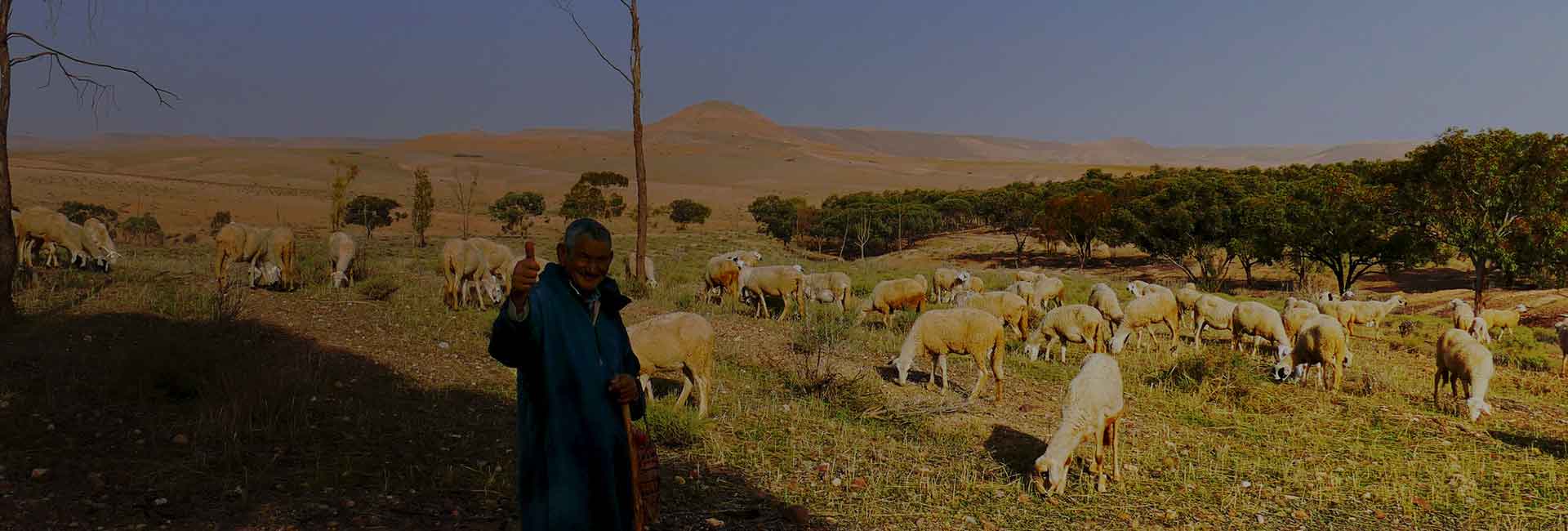
    • Visit of a Berber Home Family: A cultural immersion experience where travelers share tea, meals, and traditions with local Berber families in villages across the Atlas or desert regions.
  • Best Things To Do In Morocco

    Best Things To Do In Morocco

    •  1.) Visit the Tanneries in Fez
    •  2.) Learn to Cook, Moroccan Style
    •  3.) Wander through Aït Benhaddou.
    •  4.) See the city of Marrakech.
    •  5.) Stroll Through the Blue Streets of Chefchaouen
    •  6.) Walk the desert at Merzouga AND Overnight in the Sahara Desert
    •  7.) Explore the capital, Rabat.
    •  8.) Spend a few days in Tangier.
    •  9.)Steam in a Traditonal Hammam
    •  10.)Go Surfing at the Coast
    •  11.)Perfect Your Haggling Skills in the Souks
    •  12.)Trek the High Atlas Mountains
    •  13.)Book a Stay in a Traditional Riad
    •  14.)Hit the Slopes at Oukaïmeden
    •  15.)Attend a Cultural Festival
  • Morocco : Best Time To Visit

    Morocco : Best Time To Visit

     Summer (June – August)

    In Morocco’s summer months, the Sahara Desert becomes intensely hot, with daytime temperatures soaring. By contrast, mid‑altitude regions and Atlantic coast cities—such as bustling Casablanca and relaxed Essaouira—remain warm but more comfortable. The north coast and Rif Mountains enjoy a Mediterranean climate, offering long, sunny days. Loose, breathable clothing is recommended to stay cool while protecting your skin from the sun.

     Winter (November – February)

    Southern Morocco stays mild during the day, but evenings in the desert can be surprisingly cold, so a warm jacket is essential. In the north, winters are wetter and cloudier, while the High Atlas Mountains experience harsh cold, often keeping their snow‑capped peaks until late spring or even early summer.

     Spring (Mid‑March – May)

    Spring is one of the most beautiful times to visit. The countryside turns lush and green, creating spectacular scenery for mountain hikes and cultural tours.

     Autumn (September – October)

    Autumn offers pleasantly warm temperatures across the country, making it an ideal season for both city exploration and outdoor adventures.

  • morocco-travel-guide-insider-tips-landscapes-local-culture-travel-legacy

    morocco-travel-guide-insider-tips-landscapes-local-culture-travel-legacy

     Morocco Travel Guide: Insider Tips, Landscapes & Local Culture | Travel Legacy


    How Big is Morocco? Understanding Distances & Travel Planning

    One of the most important things to know before planning your Morocco trip is that this country is much larger than most travelers expect. With the Atlas Mountains cutting dramatically through the heart of the country, many destinations are surprisingly far apart.

    Don’t make the rookie mistake of planning a day trip from Marrakech to Chefchaouen; it simply won’t work. Your Morocco itinerary will largely depend on how much ground you want to cover.

    During our own Morocco travel experience, we enjoyed shorter routes like:
    – Casablanca to Rabat is a quick, easy drive
    – Fez to Merzouga, an epic seven-hour desert drive through breathtaking landscapes

    Pro Travel Tip: No matter where you are in Morocco, there is always something incredible to discover nearby. The distances are worth every kilometer.

    Morocco’s Stunning Natural Landscapes

    If you’re searching for breathtaking travel destinations in North Africa, Morocco delivers on every level. The country’s natural diversity is truly extraordinary:

    – Miles of Atlantic and Mediterranean coastline
    – Atlas Mountain peaks rising over 13,000 feet
    – Sahara Desert dunes in Merzouga and Zagora
    – Palm-filled desert oases straight out of a postcard

     Morocco’s Imperial Cities: A Feast for the Senses

    Beyond the natural landscapes, Morocco’s imperial cities offer a completely different kind of beauty. Walking through a Moroccan medina is a full sensory experience:

    – Artisans handcrafting leather shoes in vibrant rainbow colors
    – Street food vendors cooking up fragrant local specialties
    – Bustling souks overflowing with spices, textiles, and ceramics

    From the blue streets of Chefchaouen to the ancient medina of Fez, every corner of Morocco is a photographer’s dream and a traveler’s paradise.


    Did You Know Morocco Produces Wine?

    This surprises almost every visitor. Morocco actually makes wine!

    As a predominantly Muslim country, alcohol is not widely available throughout Morocco. You’ll find it in select riads, upscale restaurants, and larger supermarkets like Carrefour in major cities. Outside urban areas, however, alcohol is very difficult to find.

    But here’s the fascinating part: Morocco’s wine industry makes perfect geographical sense. Sitting relatively close to the great wine regions of Spain, Greece, and Italy, Morocco shares similar Mediterranean climate conditions ideal for viticulture.

    Morocco Wine Travel Tip: If you want to explore Moroccan wine culture, look for it in Casablanca, Rabat, or Marrakech’s higher-end dining establishments.

    It’s one of Morocco’s best-kept travel secrets — and proof that this country never stops surprising you.


    Bread Culture in Morocco: Why Bread is Absolutely King

    No authentic Moroccan food guide would be complete without celebrating Moroccan bread.

    Bread is not just a food in Morocco, it’s a cultural institution. You’ll find it at every single meal, used in multiple ways:

    – Spread generously with rich argan paste
    – Used to soak up flavorful sauces from tanjia and tagine
    – Served as a natural replacement for cutlery

    The Neighborhood Bakery Tradition

    One of the most charming Moroccan cultural experiences you can witness is the **neighborhood bakery tradition**. Moroccan families prepare their own dough at home, then bring it to their local communal bakery (ferran) to be baked during the day. They return before dinner to collect their fresh, warm loaves.

    This centuries-old tradition is still very much alive across Morocco today.

    Street Bread Vendors

    Keep your eyes open for street vendors pushing carts loaded with hot, fresh bread through the medina streets. This is:

    – One of the most authentic Moroccan street food experiences.
    – Incredibly affordable and delicious.
    –  A perfect local snack on the go.

    Don’t hesitate to stop one, it’s the kind of simple, memorable moment that defines travel legacy experiences in Morocco.

     Final Thoughts: Why Morocco Should Be Your Next Travel Legacy Destination

    Morocco is not just a destination; it’s a living, breathing travel legacy. From towering mountain ranges and golden desert dunes to ancient medinas and unexpected wine culture, Morocco rewards curious travelers at every turn.